

Walking through the streets of Manchester, the prevalence of red brick immediately catches the eye. It’s found on old factories and warehouses, on the terraced houses of Ancoats, in the arches beneath railway lines, and even in new developments that nod to the city’s past. This colour, this texture, this unchanging backdrop is as defining to Manchester’s appearance as its other symbols – rain, football, and music. But how did red brick become the city’s “skin”? Is it merely a building material, or does it speak to something deeper that defines Manchester’s unique identity? Read on to discover more about Manchester’s red brick in this article on manchester-future.
The Pre-Brick Era
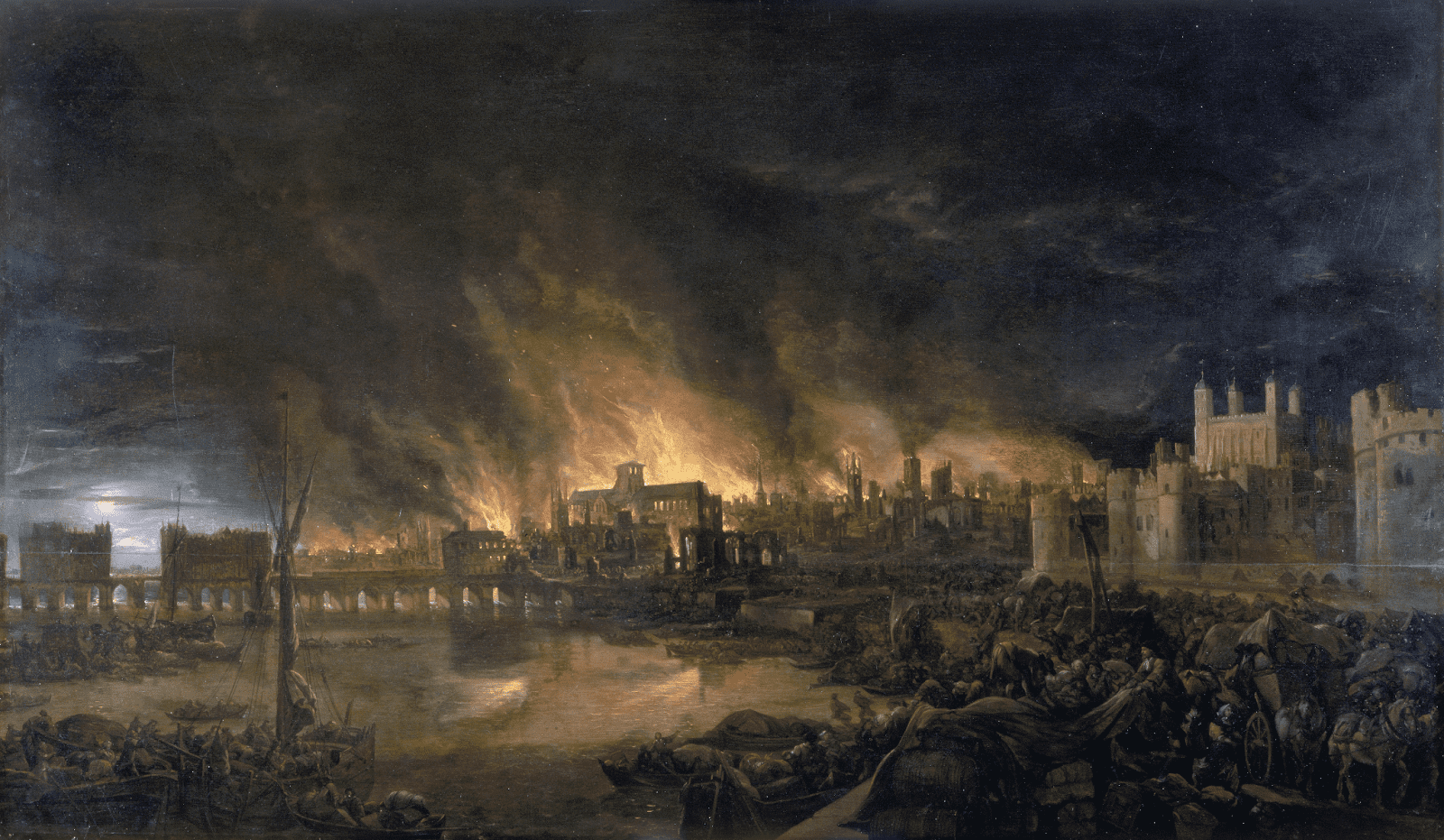
Long before Manchester was clad in red brick facades, its streets looked entirely different. Wooden structures dominated the city. These were crooked houses with overhanging upper floors, timber-framed buildings filled with wattle and daub. This was medieval Manchester, without factory smoke and without the Industrial Revolution.
Wood was the most readily available material in ancient times. It was felled in the surrounding forests, easy to process, quick to erect, and suitable for the temperate climate of Northern England. Most buildings constructed before the 18th century were wooden – residential homes, taverns, workshops, and even some chapels.
However, wood had one fatal flaw – it burned.
1666 marked a turning point not only for London but for all of Britain. The Great Fire of London destroyed almost 13,000 houses, predominantly wooden ones. Following this catastrophe, the first serious building regulations were introduced, prohibiting the construction of timber frames in city centres. Authorities began actively encouraging the use of brick and stone.
The new rules also impacted Manchester. Given the numerous fires in Manchester during the 18th century, local authorities and developers gradually abandoned wood in favour of safer materials. They were particularly keen to minimise risks in factories and mills.
The Rise of Red Brick in Manchester: How the City’s Image Was Forged
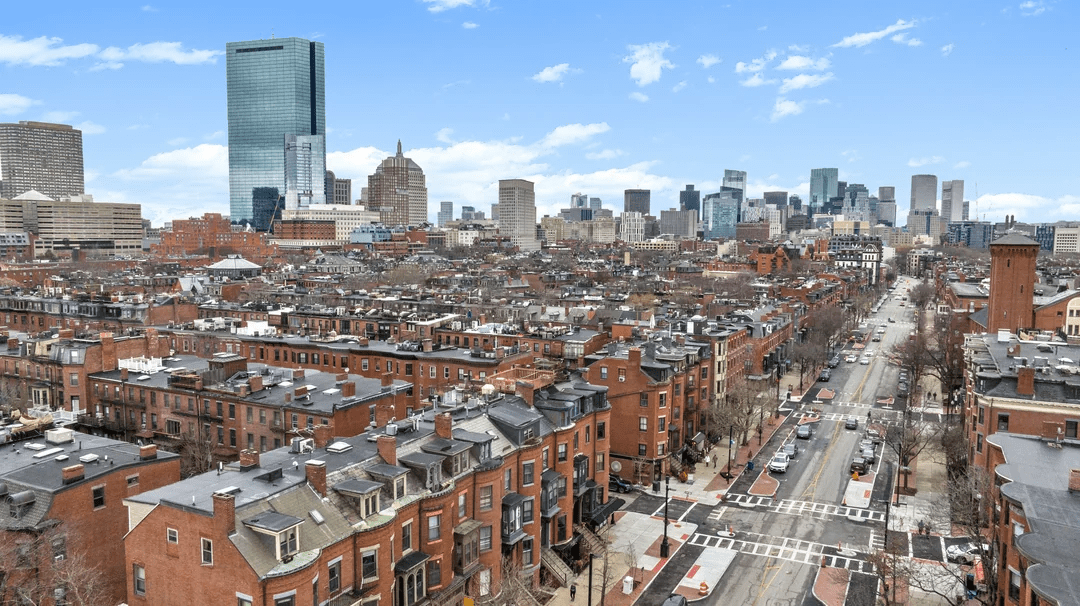
In the 18th and 19th centuries, as Manchester transformed into an industrial powerhouse, the city needed rapid building construction. The region, rich in clay, made brick production cheap and readily available. Bricks could be produced on-site or nearby, fired quickly, and stacked high to build the enormous cotton mills and factories the city demanded.
This swift urbanisation, driven by industrial ambition, led to the emergence of what some call the brick city. Red brick was fire-resistant, which was a crucial advantage at a time when factories ran on volatile steam engines and gaslights. It was durable, easily repaired, and well-suited to Manchester’s damp climate.
However, what began as a practical solution eventually evolved into a visual identity. Red brick wasn’t just used for practicality; it was embraced and became an integral part of Manchester.
The Industrial Aesthetic
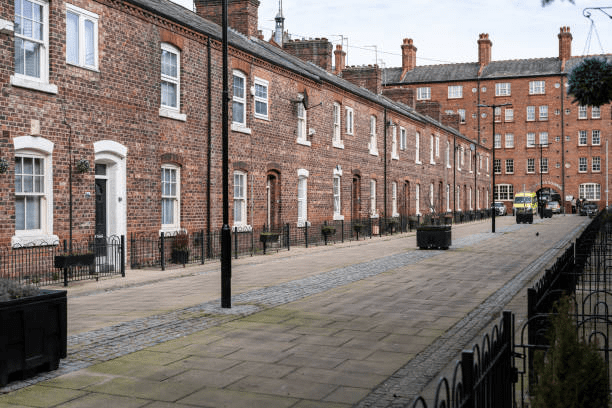
If you look closely, Manchester’s red-brick buildings are far from dull. Industrial architects, despite working with limited materials and meagre budgets, incorporated elements that remain relevant even in the 21st century. These include intricate cornices, arched windows, patterned brickwork, and decorative chimneys. These details transformed simple structures into works of art that embodied functionality.
Take, for instance, the Victoria Baths, opened in 1906 with elegant terracotta facades, or the upward-reaching arches of the Midland Hotel. Even factories and mills demonstrated how red brick could convey beauty and grandeur.
One could say that red brick didn’t just serve the city’s industry; it told its story.
The Practical Side of Red Brick
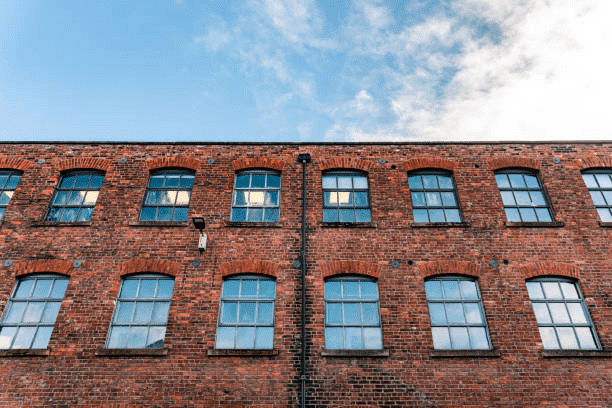
Red clay has long been extracted in Manchester and its surroundings. This natural raw material is used to produce red brick. Its local availability made it the most logical and economically viable building material. It was used everywhere: for residential buildings, factories, warehouses, railway stations, and even canals. By the 21st century, red brick had become a symbol of the city’s booming industrial growth. But what exactly is its practical side?
Resistance to Manchester’s Climate
Manchester’s weather is, to put it mildly, changeable: frequent rain, high humidity, and sharp temperature fluctuations. And here, red brick demonstrated its best qualities. Thanks to its high density and low porosity, it absorbs moisture poorly and resists degradation effectively. Unlike light or silicate bricks, it doesn’t crumble or get covered in mould, making it an ideal solution for the damp British climate.
Strength and Durability
Red brick is one of the strongest building materials. It holds its shape well and is resistant to the ravages of time. Many buildings in Manchester, constructed over 100 years ago, are still in use today. This speaks to the high quality and resilience of brickwork, especially in an unfavourable urban environment.
Aesthetic of Industrial Heritage
Beyond its practicality, red brick also possesses an aesthetic quality. It has become Manchester’s visual signature, reflecting its industrial past. Today, red brick buildings are experiencing a second life: old factories are being transformed into stylish lofts, co-working spaces, and cultural venues. Thus, brick has not merely “survived” its era but has adapted to a new urban reality.
Therefore, for Manchester, red brick is not just a building material; it’s part of the city’s DNA. It combines accessibility, durability, and aesthetics. Thanks to its resistance to moisture and temperature changes, it became the optimal choice for a city with a challenging climate. Construction with red brick in Manchester has continued for so long that it has become a tradition.
Deindustrialisation and the 21st Century
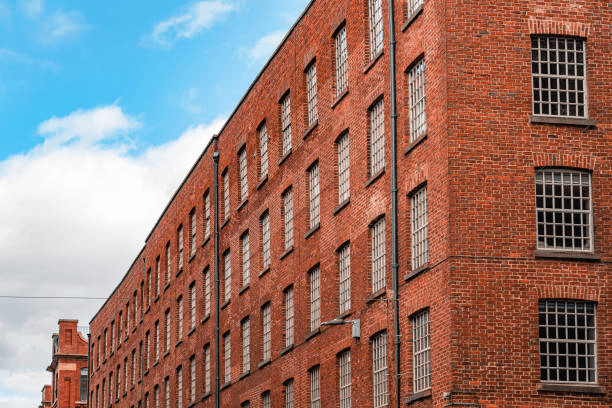
After the deindustrialisation of the 20th century, many red-brick buildings in Manchester fell into disrepair or were demolished. But instead of tearing down old structures and erecting new ones, the city authorities decided to re-imagine their architectural heritage.
Abandoned factories began to transform into fashionable apartments. Warehouses became co-working spaces, cafes, and art galleries, all while preserving the unique appearance of the red brick.
In the 21st century, even new constructions draw upon the aesthetic of the industrial age. Architects and developers use red-toned materials to ensure continuity, blending the past with the future.
Manchester’s Red Brick – Is it Style, Symbol, or Necessity?
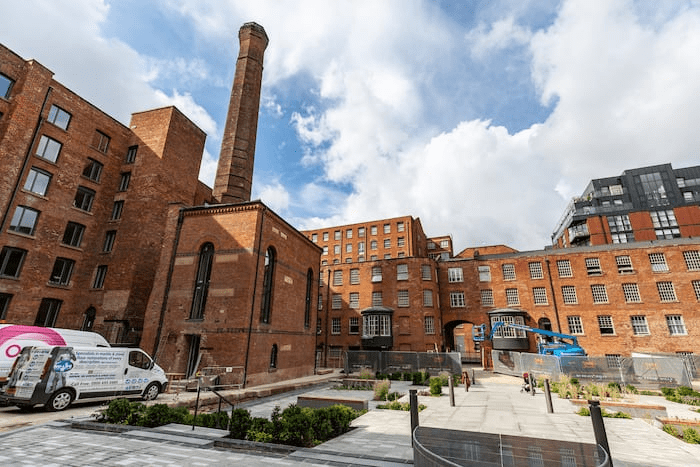
The story of red brick in Manchester began as a necessity. In that bygone era, for building factories, brick was the most logical choice for a city growing faster than it could have imagined. Over time, it lent the city its style and image. It was integrated into the environment and celebrated by architects who made the industrial city beautiful. And in the 21st century, it serves as a symbol of resilience, adaptability, and distinctiveness.
Red brick speaks of a city that doesn’t shy away from its industrial past, its working-class roots. Of a place that prides itself on what it has built, rebuilt, and reimagined. It’s not polished marble or shimmering glass – it’s a strong, textured, and authentic material. Just like Manchester itself.