
Amid Manchester’s bustling streets and modern architectural marvels lies a rare relic of a bygone era. This unique 13th-century building, known as Manchester’s oldest structure, offers residents and visitors a profound glimpse into the past. With its stunning medieval architecture, it captivates the imagination of visitors and the curiosity of historians alike. This article delves into the history of Baguley Hall in Wythenshawe, a Grade I listed architectural treasure. Next on manchester-future.
What Makes Baguley Hall Unique?
Baguley Hall, located in Wythenshawe, was constructed in the distant 13th century, a feature that stands as its most remarkable aspect. Remarkably preserved, the structure has survived nearly intact into the 21st century.
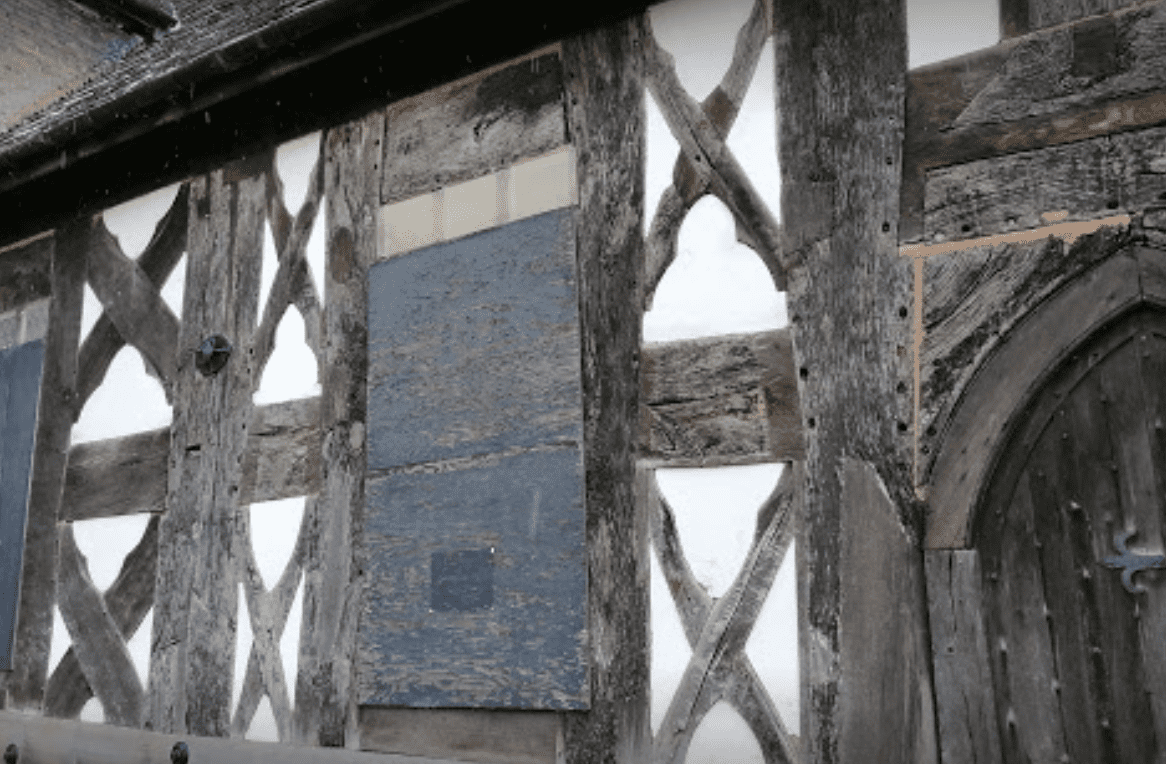
Erected during a time when Manchester was a small medieval settlement, Baguley Hall has borne witness to the city’s transformation over centuries. This timber-framed building, with its iconic black-and-white façade, showcases medieval craftsmanship at its finest. Its construction techniques and materials remain virtually unchanged, offering a rare and invaluable insight into the building practices of the period.
Stepping through the doors of this historic house is akin to stepping back in time. Low ceilings, exposed beams, and uneven floors narrate tales of a simpler era. Every room holds echoes of the past: from the ancient hearth in the kitchen to the dimly lit, modest bedrooms. Were the walls to speak, they would recount stories of countless families who called this place home, the daily lives they led, and the historic events they witnessed.
One can almost hear the whispers of medieval merchants negotiating trade, the laughter of children playing on cobbled streets, and the clatter of townsfolk’s footsteps. Baguley Hall is not merely a structure of wood and stone; it is a living museum, preserving the essence of Manchester’s medieval heritage.
Architectural Features of Baguley Hall, Manchester’s Oldest Building
As its name suggests, Baguley Hall was once the property of the Baguley family. Historical records also reveal that the hall was gifted to the Manchester Corporation and was used as a municipal workshop and store from 1927 to 1968 before being transferred to state ownership.
After extensive studies, Manchester historians concluded that the hall, originally built as a manor house, later served as a farmhouse. It features a unique medieval wing that underwent restoration in the 17th century.
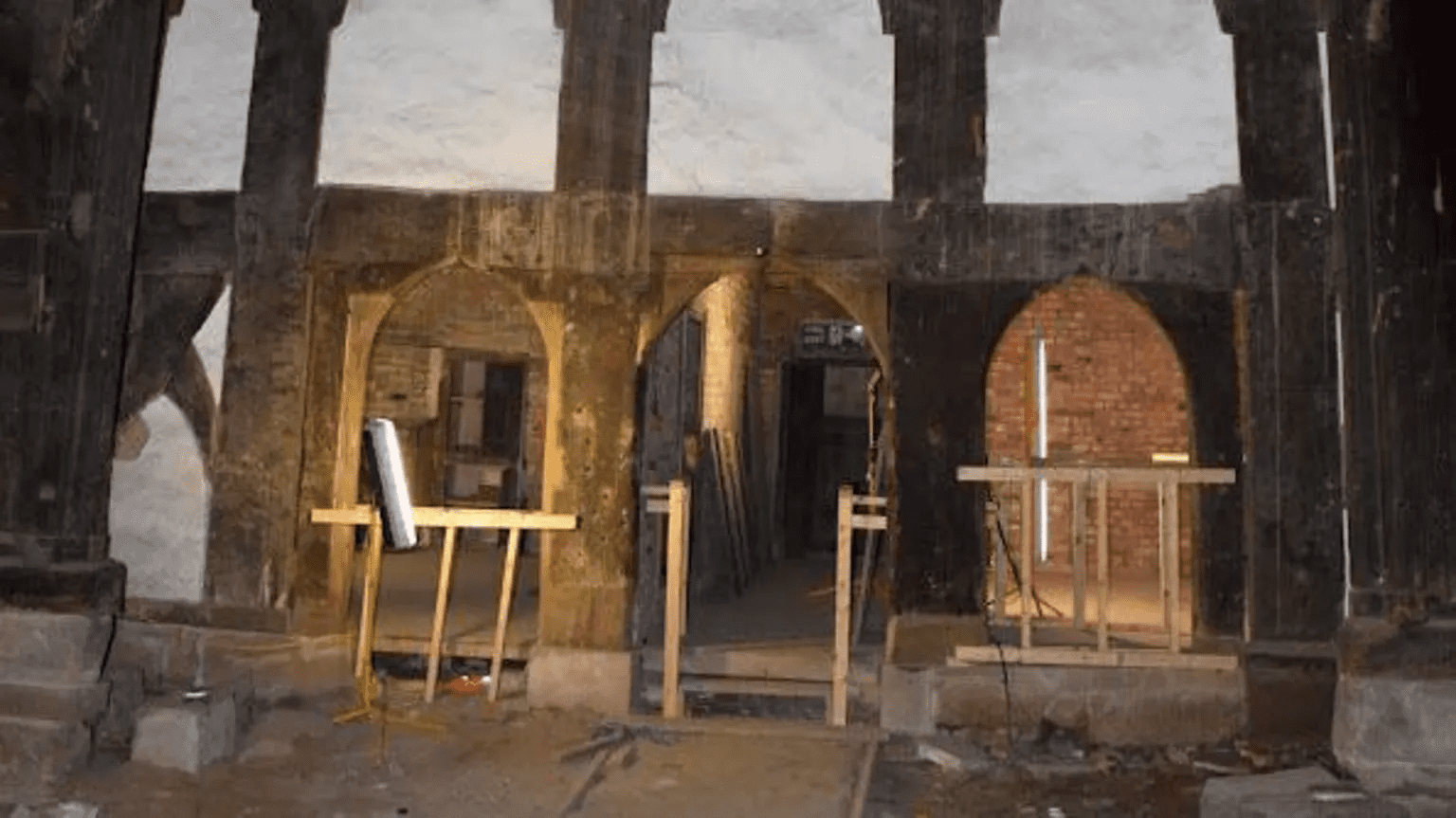
According to data provided by Historic England, the building comprises a tall single-storey hall with a two-storey porch and wings. The hall has a sloped sandstone base and a distinctive timber frame made from massive boards. The vertically positioned boards serve a dual purpose as posts and studs, while the northwest corner is formed by a colossal L-shaped post.
The interior boasts an unusual ceiling with rafters featuring curved scissor braces, longitudinally connected by a central beam. Within the hall, visitors can see a large fireplace and remnants of a staircase dating back to the 17th century.
Surviving the Centuries
The preservation of this 13th-century building is nothing short of miraculous. Over the centuries, Manchester has undergone significant upheaval and transformation. The Industrial Revolution brought rapid urbanisation and modernisation, leading to the demolition of many historical structures. Yet, Baguley Hall has stood the test of time.
Baguley Hall has faced numerous challenges. One of the most recent occurred in the 20th century, when there were discussions about demolishing the building. Thanks to a public petition and efforts led by Manchester MP Alf Morris, later Lord Morris of Manchester, the architectural gem was saved. Morris repeatedly advocated in Parliament for the preservation of this ancient building, highlighting its status as one of the finest timber-framed structures in both Britain and Europe. He argued that demolishing such a historically and architecturally significant structure would be a disservice to Manchester and the nation.
The Sale of a Historical Landmark
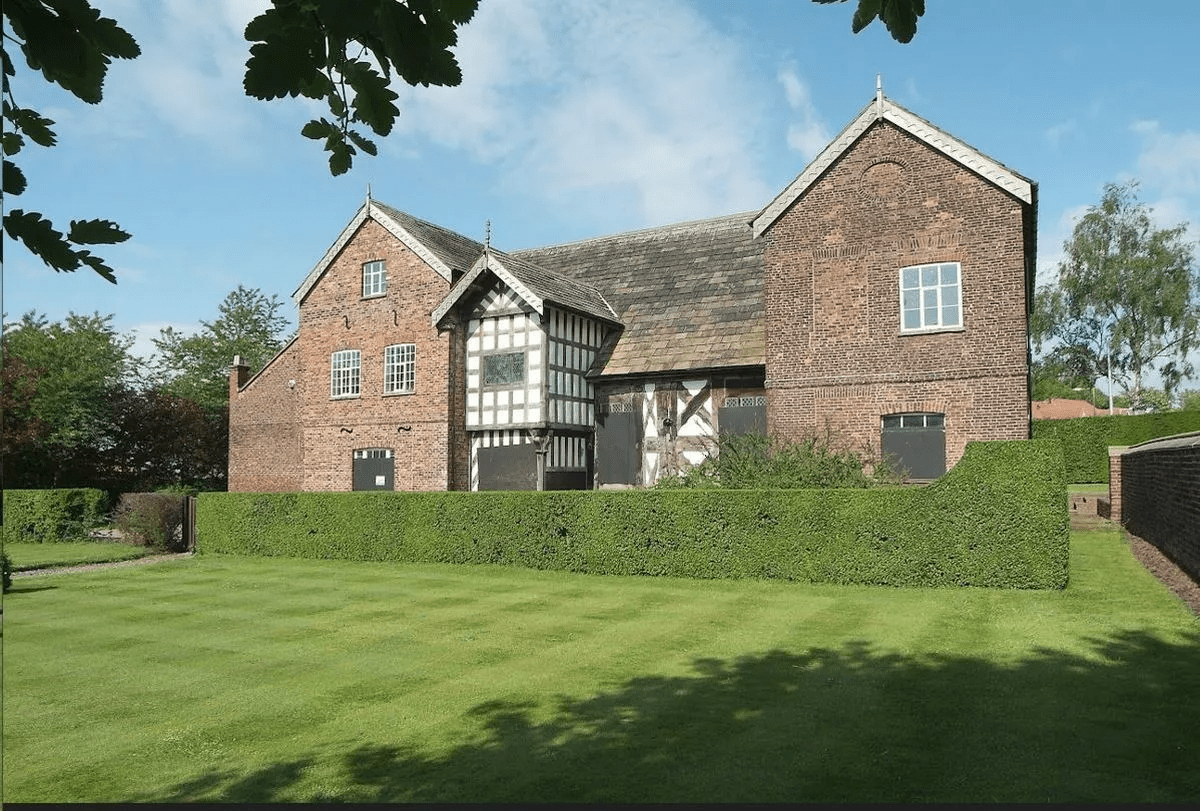
The preservation of Baguley Hall is a testament to the dedication of individuals and organisations committed to safeguarding Manchester’s heritage. Over the years, various restoration efforts have been undertaken to maintain the structural integrity of the building while preserving its historical authenticity. In 2024, the 13th-century hall was listed for sale by the property agents Colliers on behalf of Historic England.
Baguley Hall is a highly versatile property, suitable for a range of commercial and non-commercial purposes. Its prime location, robust infrastructure, and pedestrian-friendly surroundings make it an attractive prospect for ventures such as hotels or event spaces.
The sale of the hall is contingent on strict conditions ensuring the preservation of its architectural heritage and potential for further restoration. Baguley Hall serves as a vivid reminder of the city’s roots and enduring historical legacy. Amid skyscrapers and modern developments, this ancient building bridges the gap between Manchester’s historic and contemporary identities.
The 2024 sale presents both opportunities and challenges for Baguley Hall. On one hand, private ownership offers the possibility of a fresh chapter in the building’s long history. Prospective buyers could introduce innovative ideas for its use and conservation, ensuring its continued relevance and safety. On the other hand, concerns remain about balancing commercial interests with the need to maintain historical integrity.
For many Mancunians and visitors, this 13th-century building is more than an architectural relic; it is a true time capsule transporting all who visit to the distant medieval era. Each generation that has walked through its doors has left its mark, contributing to its preservation and historical legacy.
Baguley Hall is a Grade I listed monument of Manchester, classified as a site of exceptional historical significance. This designation is reserved for just 2.5% of all listed buildings in the United Kingdom.
Restoration works were carried out in Baguley Hall in the 21st century at a cost of £250,000, aimed at preparing the building for future use.
Before Colliers listed the “architectural marvel” for sale, detailed plans for its potential use were developed, including the possibility of converting it into a pub, hotel, or events centre.
The organisation managing the sale seeks a buyer committed to preserving the historical site, maintaining its condition, and providing public access to this unique landmark.