

Manchester is widely renowned for its rich industrial heritage. However, this legacy extends far beyond textiles, as Manchester played a crucial role in the development of the automotive industry. The city’s automotive history is a tale of innovation and relentless pursuit of excellence, giving rise to revolutionary inventions, iconic car models, and influential companies. Have you ever wondered which cars were made in Manchester? Read on at manchester-future.
The World’s Automotive Capital of the Early 20th Century
Surprisingly, if you ask a passerby in Manchester today, the city might be associated with anything but the automotive industry. In the 2020s, few would think of Manchester as a hub for car manufacturing. Yet, in the early 20th century, particularly during the First World War, Manchester was one of the world’s largest automobile production centers.
The Development of Manchester’s Automotive Industry
The transition from horse-drawn vehicles to engines in Manchester began at the turn of the 20th century. Local company Cockshoot and Co. made a name for itself as a high-quality, reliable coachbuilding firm. Initially, the company applied its skills in crafting horse-drawn carriages to the burgeoning art of automobile body manufacturing. By 1902, Cockshoot and Co. opened one of the first garages in the UK on Deansgate. A year later, the company built its first car body.
In its early years, the Manchester firm became renowned for its top-tier craftsmanship in the automotive industry.
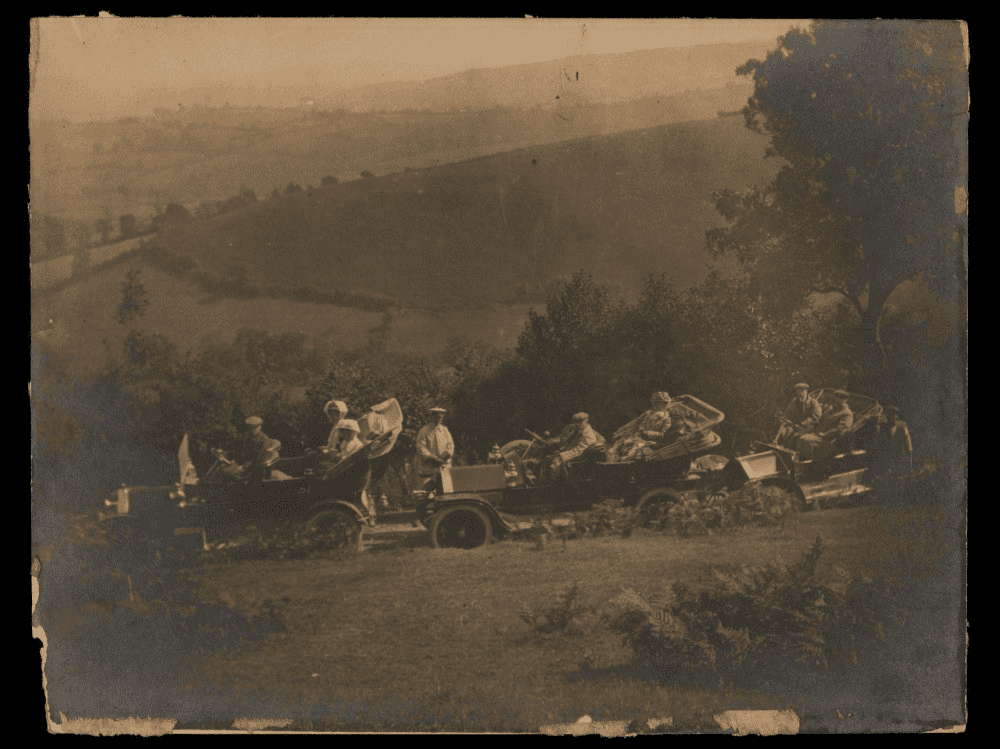
It is worth noting that cars at the beginning of the 20th century were luxury items, accessible only to the wealthy. Automobiles were extraordinarily expensive and primarily used by Manchester’s affluent residents for travel, racing, and as a hobby for assembly and disassembly. For the city’s working-class population, cars were an unattainable luxury. Wealthy individuals frequently drove their new cars to the Cheshire and Lancashire countryside over the weekends, enjoying the thrill of speed outside the city.
For many, cars became more than just a hobby—they were a way of life. Even roadside breakdowns were seen as adventures, and those who could fix issues on their own took immense pride in their knowledge and experience.
Rolls-Royce: Born in Manchester
The legendary Rolls-Royce brand is known worldwide. However, few know that the company’s historical roots and the creation of its first car trace back to Manchester.
The partnership between engineer Henry Royce and Charles Rolls began in Manchester in 1904. Their collaboration started when Royce showcased his experimental car to Rolls, who was searching for high-quality, entirely British-made automobiles for his showroom. Thus, the iconic Rolls-Royce company was born in Manchester.
One of the earliest cars produced by the company was the Rolls Royce Motor Car, with a 10-horsepower engine, launched in 1905 by Royce Ltd., located on Cook Street, Hulme, Manchester. Today, this model can be seen in the Revolution Manchester Gallery.
By the early 20th century, Rolls-Royce had established Manchester as a center for elite and luxury automobile production. The cars gained fame not only for their exceptional aesthetics but also for their outstanding quality. Rolls-Royce vehicles became symbols of wealth and luxury, helping to elevate Manchester’s reputation on the global market.
Not Just Rolls-Royce
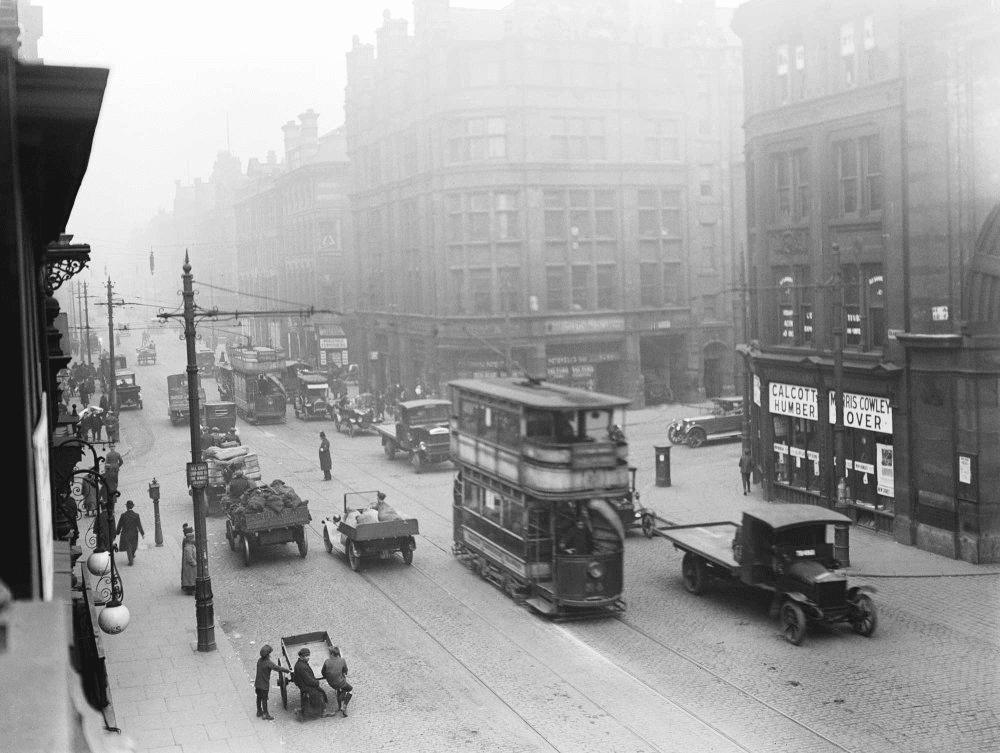
Manchester’s automotive history isn’t solely about Rolls-Royce. In the early 20th century, the Imperial Autocar Manufacturing Co. Ltd. operated out of the Manchester Corporation Company tram depot in Rusholme, producing luxurious Imperial cars.
Additionally, Manchester was home to the production of engines and locomotives for cotton machinery during this period. Engine manufacturing was a significant industry in the city.
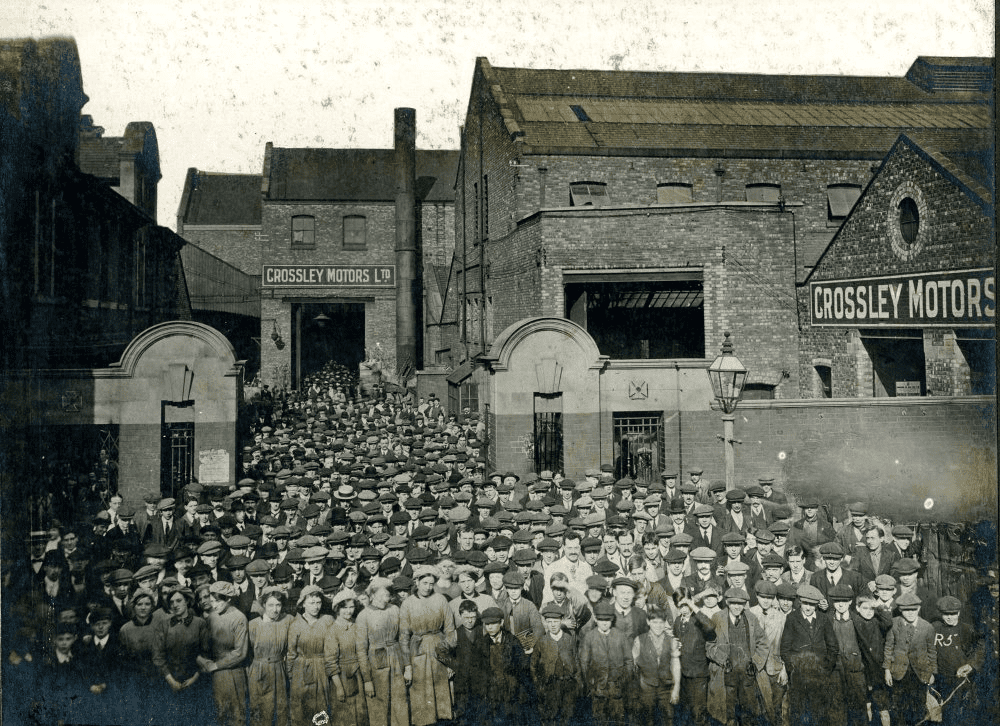
The city also hosted Crossley Brothers Ltd., the company responsible for producing the world’s first commercially successful internal combustion engine.
The 1920s marked a period of rapid growth and innovation in Manchester’s automotive industry. New car companies sprang up almost daily, eager to capitalize on the growing demand for vehicles. Gradually, the city began producing cars that were affordable for the middle and working classes.
During this time, Manchester also became a hub for automotive research and development. Engineers and designers from across Britain flocked to the city, drawn by its immense potential in the automotive sector. Furthermore, the city’s universities and institutes played a significant role by providing education and training for the next generation of automotive engineers.
Unfortunately, Manchester’s automotive era was short-lived. In the 21st century, few residents recall that the city was once a major center of car manufacturing.