

Gorton Monastery, also known as the Monastery of St. Francis and Gorton Trust, is a Grade II* listed building and a prominent example of Neo-Gothic Revival architecture. Built in Manchester between 1866 and 1872, this historical gem stands as a testament to the city’s rich cultural and architectural heritage. Explore its fascinating journey in this article on manchester-future.
Founding of Gorton Monastery
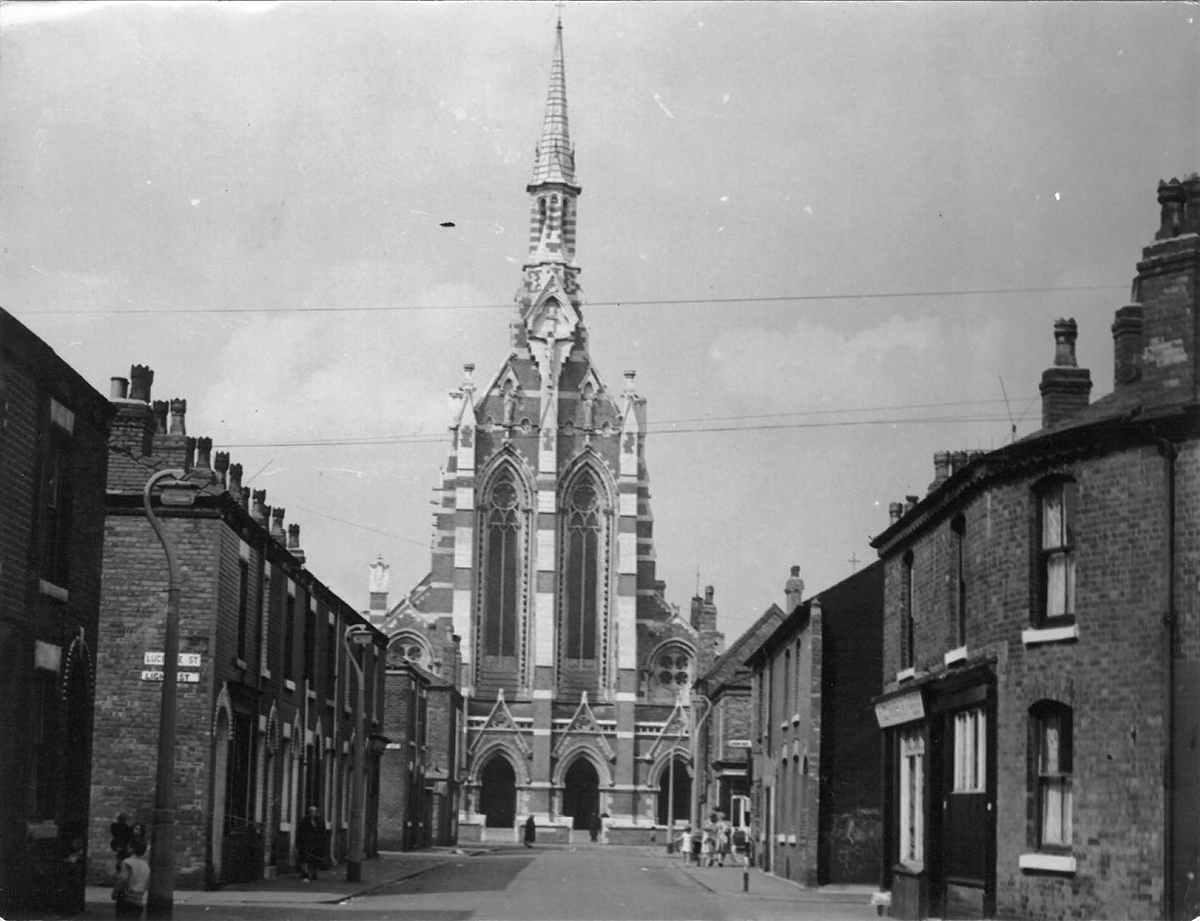
The story of Gorton Monastery begins in the mid-19th century, during Manchester’s rapid industrial expansion and urban growth. Recognizing the spiritual needs of a burgeoning population, a small group of Franciscan monks sought to establish a sacred space for worship and community support.
In 1861, Herbert Vaughan, the Bishop of Salford, invited the Belgian Franciscan “Recollects” to Manchester. By 1863, these monks had settled in Gorton and begun the monumental task of constructing the monastery. Remarkably, much of the labor was carried out by the monks themselves. The construction concluded in 1867, marking the birth of a significant spiritual and architectural landmark in Manchester.
Gorton Monastery, designed by the renowned Neo-Gothic architect Edward Welby Pugin, is an architectural masterpiece. Pugin infused the structure with a sense of grandeur and reverence, showcasing hallmark features of the Gothic Revival style. The building boasts soaring pointed arches, intricate stone carvings, and a magnificent rose window that casts a kaleidoscope of colors into the sacred space.
The high-vaulted ceilings and elegantly crafted columns of the nave evoke a sense of spiritual elevation. Each element, from the ornately designed altar to the exquisite stained glass windows, is crafted to draw the eye upward, symbolizing a connection to the divine.
Key Architectural Features:
- Pointed arches and soaring vaults
- Vertical detailing emphasizing height
- Decorative embellishments in stonework
- Rose windows bathing the interior in light
- Flying buttresses for structural stability
Constructed with polychromatic red and blue bricks accented by sandstone, the monastery epitomizes the Neo-Gothic style. In a city renowned for its industrial prowess, this architectural movement brought a spiritual and aesthetic dimension to Manchester’s urban landscape.
Interior Highlights of Gorton Monastery
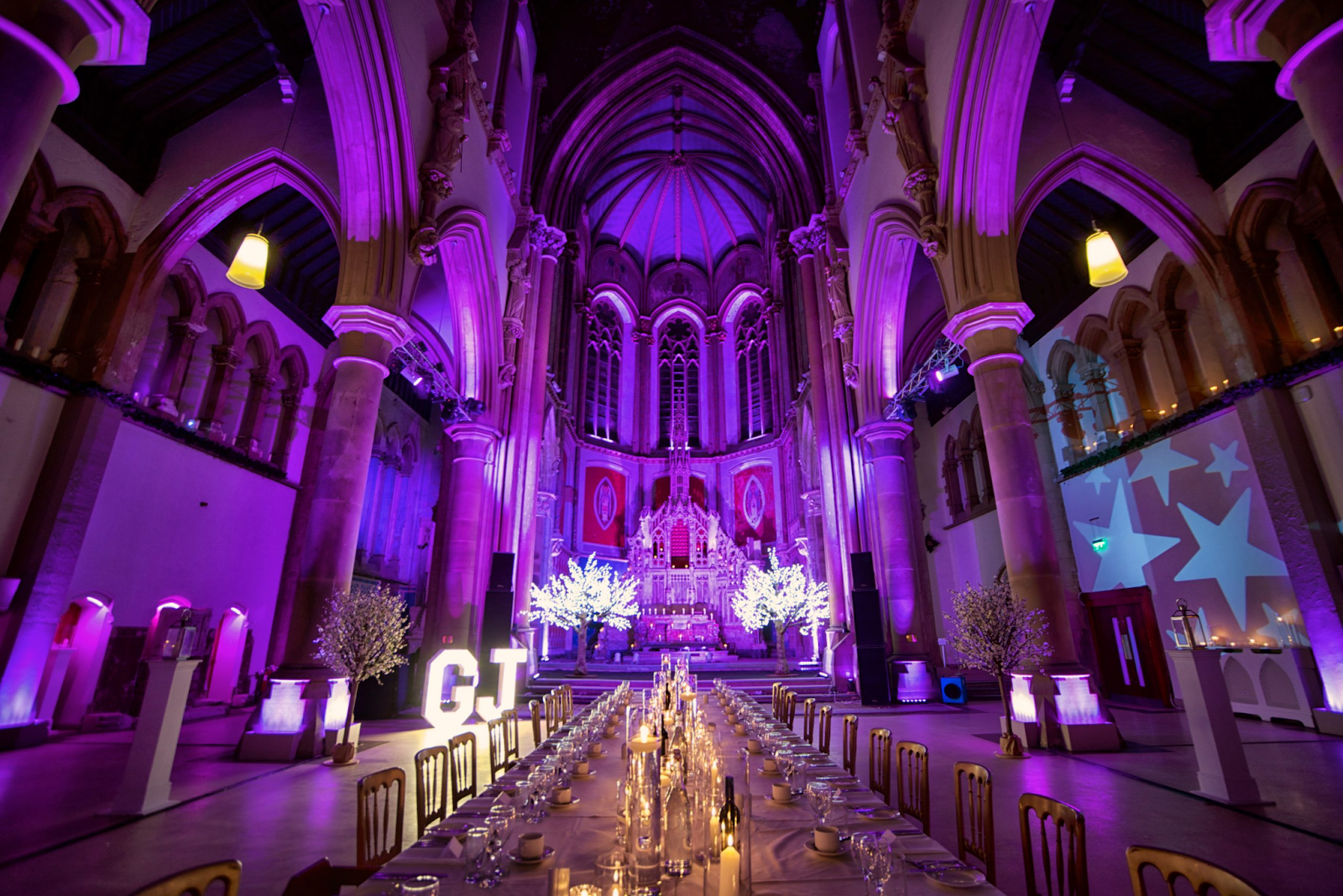
The interior of Gorton Monastery is equally awe-inspiring. Its 13-bay nave, flanked by soaring buttresses, features a series of pointed windows that flood the space with natural light. The northern end houses an intricately designed altar, illuminated by clerestory windows high in the roof. Behind the altar stands the grand reredos, a testament to the craftsmanship of the era.
One of the most distinctive features is the collection of 12 life-sized statues of Franciscan saints, carved from French limestone. Positioned on 40-foot (12-meter) pedestals between the nave’s bays, these statues add an air of reverence and grandeur.
Cultural and Spiritual Hub of Manchester
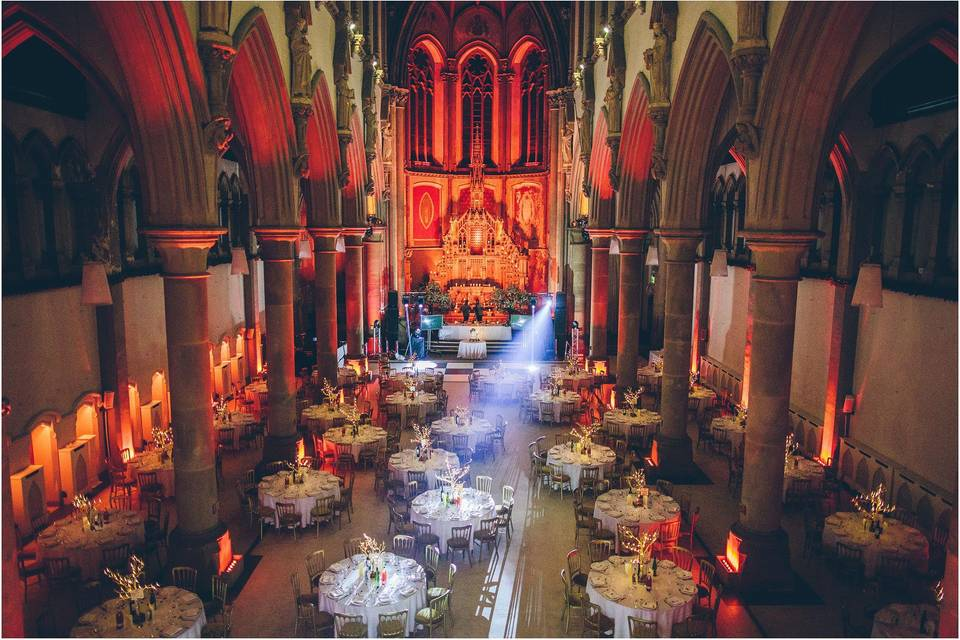
For decades, Gorton Monastery was a vital spiritual and social hub for Manchester. The Franciscan monks not only led religious services but also engaged in numerous community initiatives, providing shelter and support to the underprivileged. The monastery served as a beacon of hope and a center for communal life.
However, by the 20th century, the monastery faced decline due to economic hardships, dwindling parishioner numbers, and changing societal dynamics. In 1989, after over a century of service, the Franciscan monks departed, and the monastery was deconsecrated. The once-vibrant building was left abandoned, falling victim to neglect, vandalism, and looting.
Restoration and Revival
Recognizing the monastery’s historical significance, a campaign to save the building was launched in the late 20th century. In 1997, the building was acquired for a symbolic £1, initiating an ambitious restoration project. After years of dedicated effort, Gorton Monastery reopened in 2007, transformed into a multifunctional venue for religious ceremonies, community events, weddings, and corporate gatherings.
The restoration was not merely about preserving the structure but also about revitalizing a community asset. Today, Gorton Monastery stands as a symbol of renewal, serving as a cultural and spiritual center for Manchester.
Legacy and Modern Significance
Gorton Monastery is a remarkable embodiment of Victorian-era Neo-Gothic architecture, reflecting the aspirations and craftsmanship of its time. Beyond its historical and architectural value, the monastery continues to play a dynamic role in Manchester’s cultural life, hosting exhibitions, conferences, and public events.
Its story of decline and resurgence is a testament to the enduring spirit of the local community and the power of preservation. Gorton Monastery is more than just a relic of the past—it is a living, breathing part of Manchester’s identity, cherished by residents and admired by visitors from around the world.