

The Manchester Museum is an institution with a profound and fascinating history. It is not only a repository of cultural and historical treasures but also a vivid reflection of the intellectual and cultural growth of the city. Established in the 19th century, the museum was originally envisioned to showcase the extensive collections of natural history, archaeology, and anthropology curated by the University of Manchester. Its roots, however, trace back to early collections gathered by the Manchester Natural History Society. Discover more at manchester-future.
The Historical Foundations of the Manchester Museum
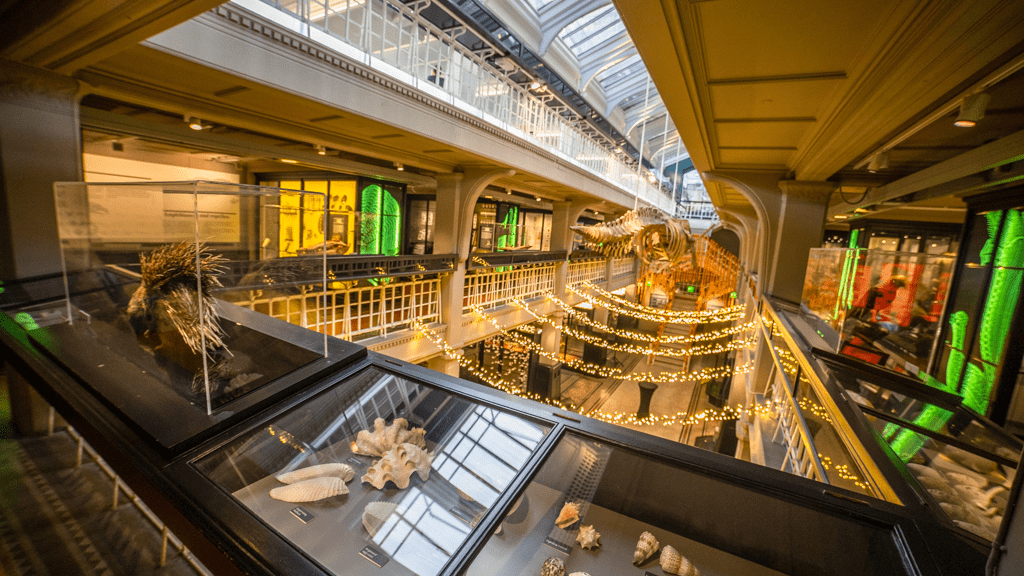
The origins of the Manchester Museum date back to 1821, when the Manchester Natural History Society began collecting artifacts. The society opened a museum on Peter Street, which housed its valuable collections. By the mid-19th century, the museum expanded its inventory by incorporating historical specimens from the Manchester Geological Society.
The museum’s early years were marked by contributions from scientists and philanthropists dedicated to the study of natural sciences and the preservation of global artifacts. These efforts quickly established the museum as a regional hub for research and education.
Transfer to University of Manchester Stewardship
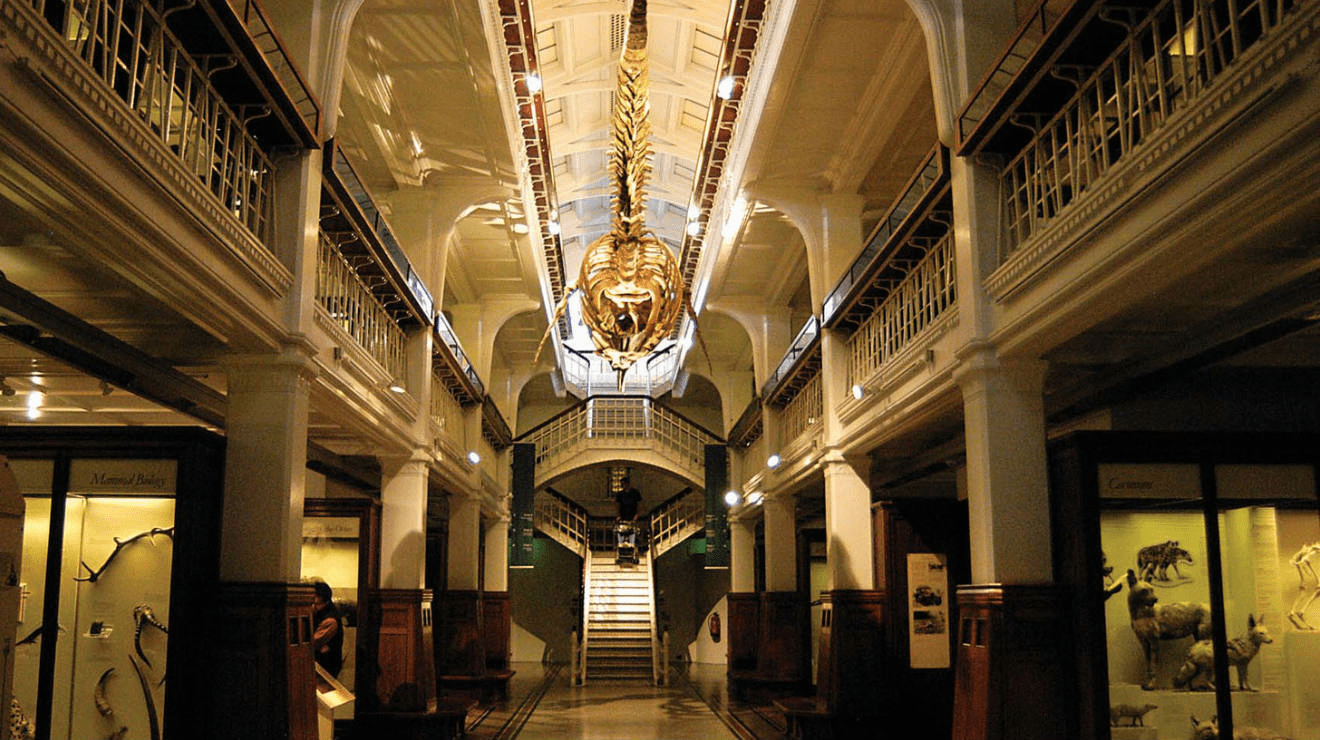
Despite its popularity and extensive collection, the museum faced financial difficulties by the 1860s. Lacking sufficient funds to sustain its growing collections, the museum came under the stewardship of the University of Manchester, following the advice of prominent biologist Thomas Huxley.
The museum moved to a new building on Oxford Road in the late 19th century. Over time, its collections expanded significantly, showcasing Manchester’s growing curiosity about global cultures and scientific discoveries. The museum became home to a diverse array of objects, including ancient Egyptian mummies, fossils, minerals, and ethnographic artifacts. Each piece represents a story about the cultures they originate from and the individuals who collected, studied, and preserved them.
The need for additional space led to several expansions. In 1912, textile merchant Jesse Haworth funded the construction of a pavilion dedicated to housing archaeological and Egyptology collections acquired through excavations he supported. Further expansion occurred in 1927, adding a block to accommodate the museum’s vast ethnographic collections.
Among the museum’s highlights is its Egyptology section, featuring over 16,000 objects. This collection, one of the largest in the UK, offers an in-depth exploration of ancient Egyptian culture, everyday life, and traditions.
Another celebrated feature is the fossil collection, particularly the museum’s replica of “Stan,” a Tyrannosaurus rex acquired in 2004.
Throughout the 20th and 21st centuries, the museum evolved to meet the needs of its audience. It became more than just a repository for artifacts—it served as a space for learning. As the largest university museum in the UK, it attracts both tourists and researchers. With around 4.5 million items in its collection and an annual visitor count of approximately 430,000, the museum remains a vital cultural and academic institution.
The museum continues to make its collections accessible through educational programs, workshops, and interactive exhibits that inspire curiosity and promote understanding of history and science.
The 2021 Restoration and Its Significance
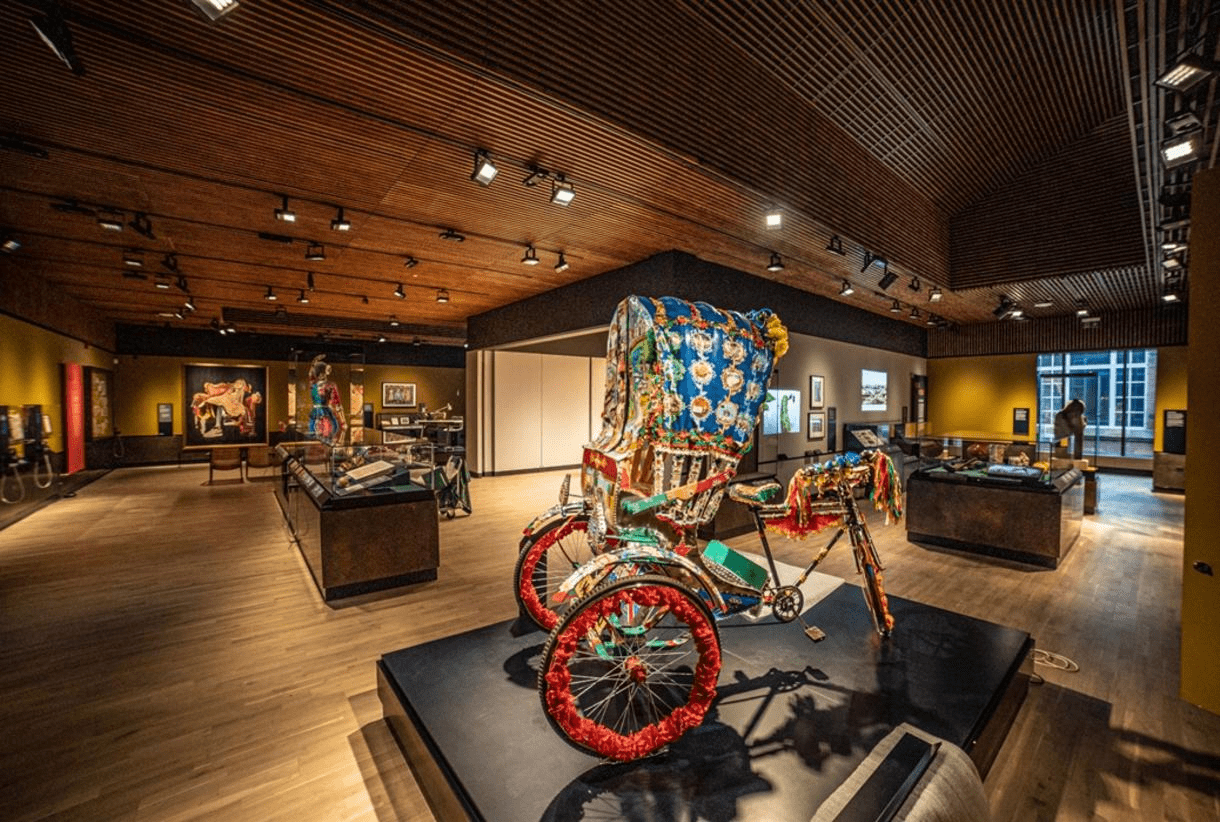
In 2021, the Manchester Museum underwent a £13.5 million restoration. This project added new galleries, including the Belonging Gallery, the Lee Kai Hung Chinese Culture Gallery, and the South Asia Gallery. A second floor was also added, creating more space for exhibitions and visitors.
During the restoration, the museum was temporarily closed but reopened in 2023, attracting over 50,000 visitors in its first week. The renovation enhanced the museum’s capacity to provide modern, engaging experiences while preserving its historical essence.
The Manchester Museum is located on Oxford Road and showcases an impressive array of collections, including:
- Archaeology
- Botany
- Earth Sciences
- Entomology
- Numismatics
- Mammals and Amphibians
- Birds
- Corals and Mollusks
- Microscope Slides
- Ancient Egyptian Artifacts
- Perfume Collections
The museum is open on Mondays, Tuesdays, Thursdays, Fridays, Saturdays, and Sundays from 10:00 AM to 5:00 PM, and on Wednesdays from 10:00 AM to 9:00 PM. Last entry is permitted 30 minutes before closing.