

Electrification marks a pivotal chapter in the history of any city. For Manchester, it represents one of the most transformative periods in its development. In the 19th century, innovators sought not only to light up the city’s streets and homes but also to usher in a new era of innovation, rapid industrial growth, and social change, shaping the city’s future. Manchester’s journey from dim gas lamps to the brilliance of electric lighting reflects the broader narrative of technological progress and urban transformation. Next on manchester-future.
The Era of Gas Lighting in Manchester
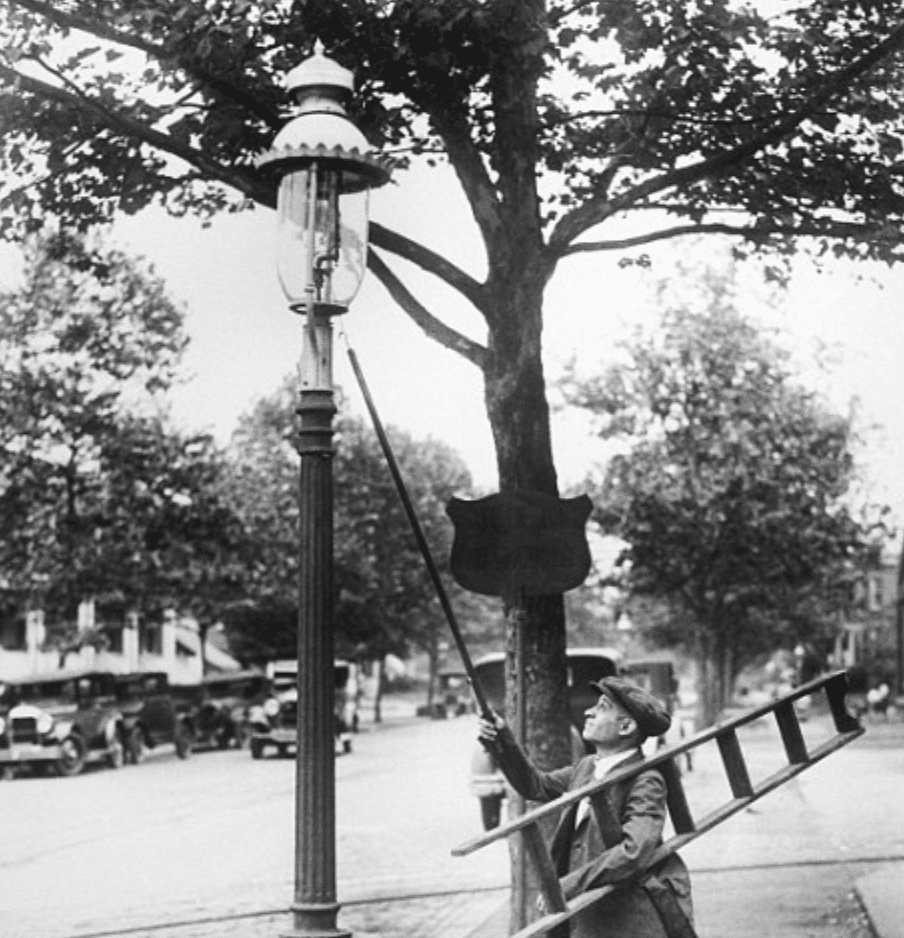
Before electricity illuminated Manchester’s streets and homes, gas lighting was the city’s primary source of illumination. Introduced in the early 19th century, gas lamps provided faint light and were sparsely distributed across the city. Despite their drawbacks, such as weak illumination, limited coverage, and high costs, gas lighting was revolutionary for its time. However, it also left soot in its wake and posed significant safety risks due to its flammability. While gas lighting was a step toward centralized urban lighting, it was far from ideal and demanded a safer, more efficient alternative.
The Arrival of Electricity in Manchester
By the late 19th century, interest in electricity surged in Manchester and across the globe. Inspired by the pioneering work of inventors such as Thomas Edison and Nikola Tesla, local innovators accelerated Manchester’s transition to electrification. The city’s rapid expansion during the Industrial Revolution underscored the need for modernization, including electrification.
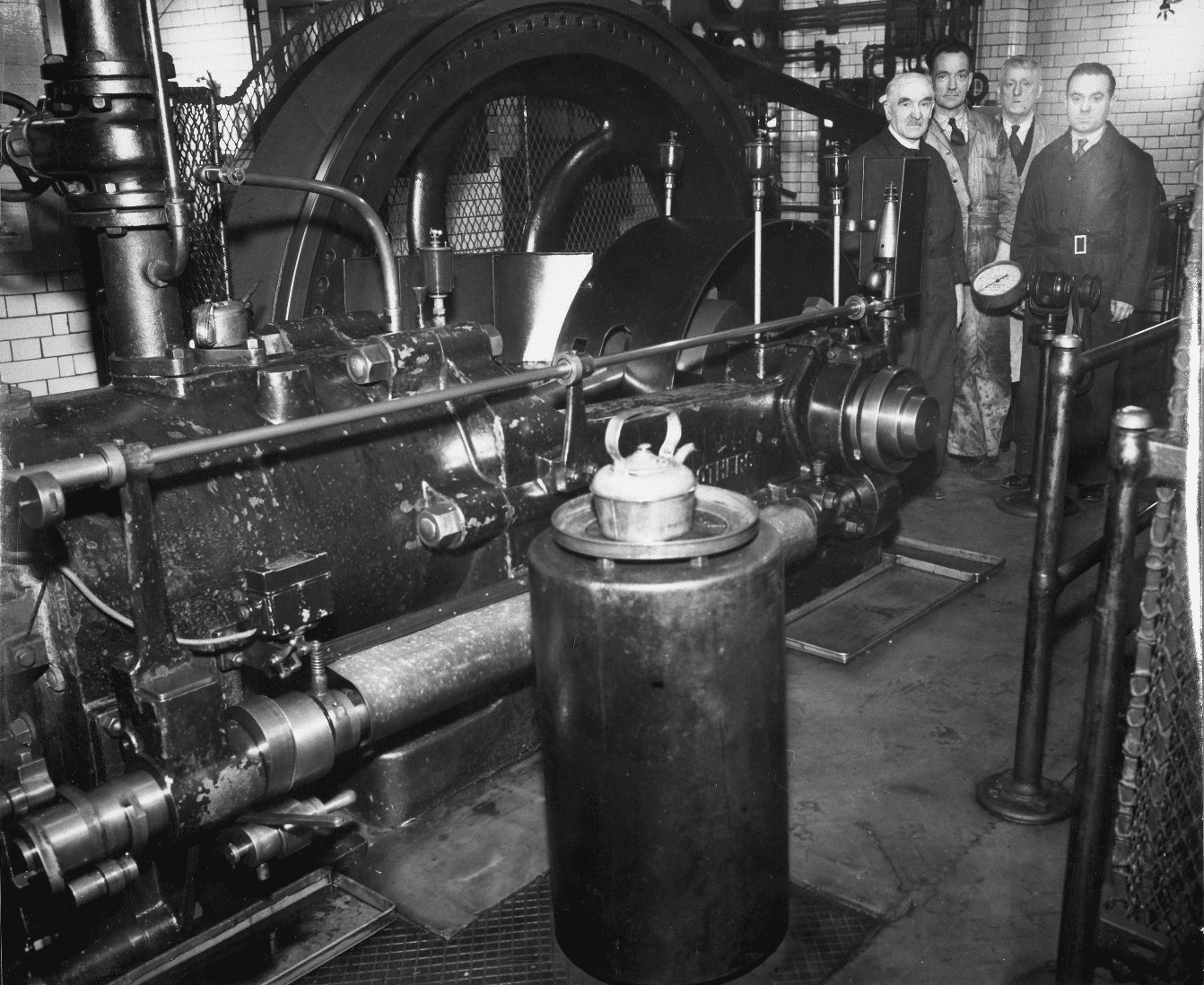
The history of electricity in Manchester can be traced back to 1893, when the Manchester Corporation spearheaded efforts to electrify the city. That year, Manchester’s first coal-fired power station was established on Dickinson Street, opposite the Town Hall and its surrounding square.
Coal to fuel the power station was sourced from local mines and delivered via the city’s canal network. While the station produced sufficient electricity to light the city, its operation was not without drawbacks. The chimneys released thick black smoke that blanketed Manchester, leaving a grimy layer of soot on buildings and residents alike. The station’s environmental and health impacts highlighted the challenges of early electrification.
Electrifying Manchester
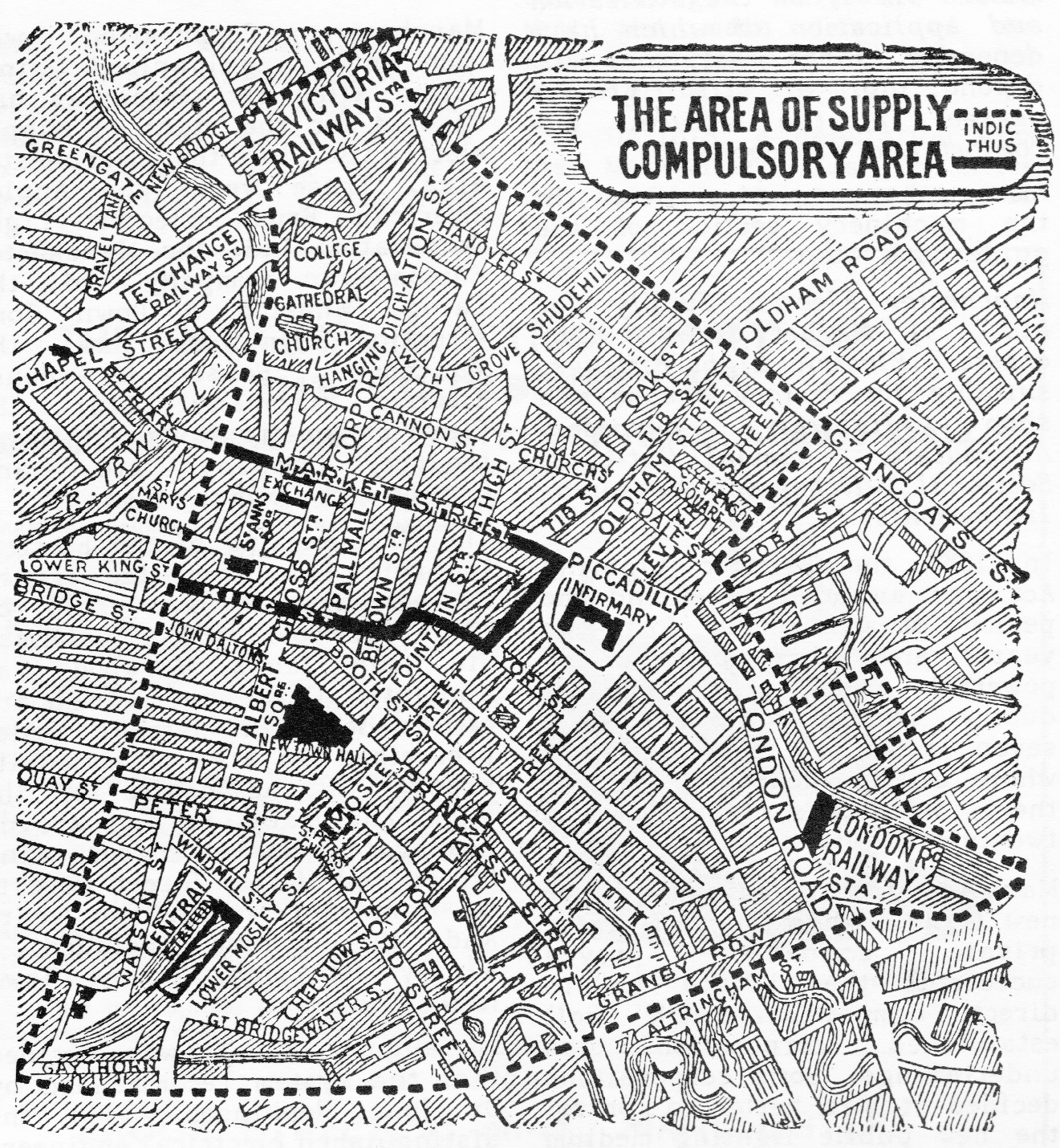
The initial electrification efforts focused on lighting the Market Street area. The first project covered just five streets, with the Bank of England as its inaugural client.
Electrification of Manchester was a gradual process. Even on Market Street, the infrastructure expanded over four years, from 1896 to 1900, increasing from 0.5 square miles to 45 square miles of electrified area.
A unique challenge during this era was the rubber insulation used on electrical wires, which were installed beneath the streets. Over time, the insulation cracked, resulting in shocks to horses that often startled them into sudden jumps.
By the early 20th century, electric lighting began to spread across Manchester. The first electric streetlights on Market Street replaced outdated gas lamps, symbolizing progress and modernity for the city. Electric lighting was not only brighter and more reliable but also made the streets safer and more inviting after dark.
Expansion into Buildings and Homes
Electricity soon reached public buildings, theaters, and eventually homes. It became a ubiquitous resource for lighting and powering devices. The transition from gas to electricity was not instantaneous, and for a time, the two systems coexisted. Gradually, gas lamps gave way to electric ones, as the benefits of electricity—its cleanliness, brightness, and efficiency—were undeniable. Moreover, electricity enabled innovations that gas lighting simply could not match.
Electrification of Manchester’s Industry
An important milestone in Manchester’s electrification was the electrification of its industrial sector. Factories and mills that had previously relied on steam power began adopting electric motors in the early 20th century. This shift improved efficiency, safety, and working conditions across the city’s industrial landscape. Electrification not only lit the city but also revolutionized manufacturing processes, enabling the development of new equipment and enhancing productivity, driving economic growth.
Manchester’s journey to electrification showcases its resilience and ambition. From humble beginnings with gas lighting to the widespread adoption of electricity, the city transformed its infrastructure, industries, and daily life. Today, the legacy of this transformation is evident in Manchester’s vibrant urban landscape, illuminated by the innovations of the past.