
In the 21st century, the IT industry holds a significant place in the modern life of Manchester, playing a crucial role in the city’s economy. Home to numerous technology startups as well as major companies specialising in programming, digital technologies, and engineering, Manchester actively fosters innovation hubs and research centres that offer opportunities for young professionals and students. With a growing interest in technology and artificial intelligence, the city is expanding its capabilities in this field, attracting investment and supporting startups. All of this undoubtedly contributes to the creation of highly skilled jobs. But how did the IT industry, and specifically IT education, develop in Manchester? Next on manchester-future.
The Foundation of IT Development in Manchester

The Manchester University Institute of Science and Technology (UMIST) is a cornerstone in the history of IT development in the city. Its historical roots date back to the mid-19th century. As one of the world’s first institutions to combine science, technology, and engineering education, UMIST established a strong foundation for IT research.
The story of UMIST began in 1824 with the creation of the Manchester Mechanics’ Institute. At the time, this was a truly pioneering educational initiative. The primary aim was to provide working-class people with access to scientific and technical education. Furthermore, the institution sought to meet the demands of Manchester’s rapidly industrialising economy. The initial courses were practical and focused on mechanical engineering, chemistry, and physics, laying the groundwork for specialised education that would eventually include computing and IT.
UMIST’s Role in Early Computing and IT Development
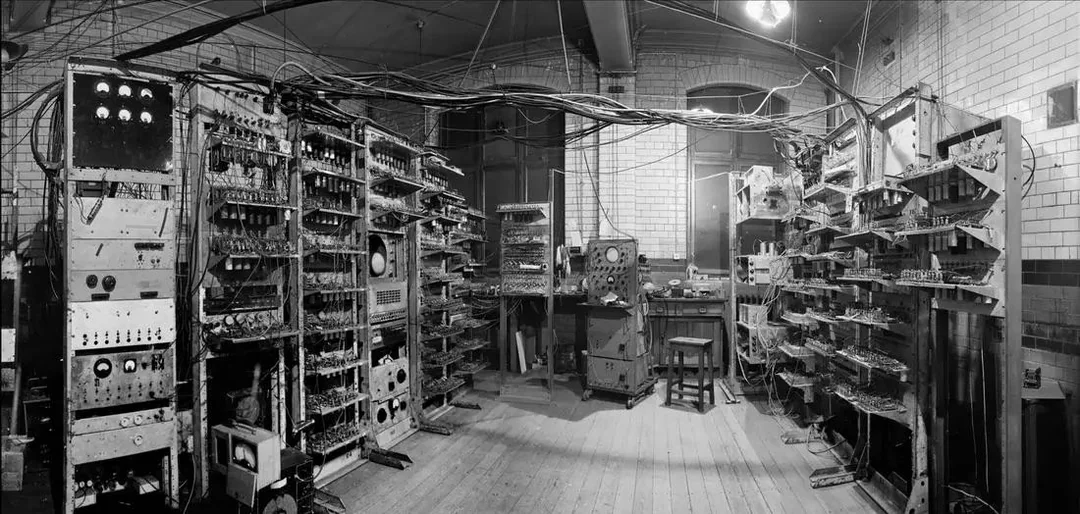
UMIST became a pivotal institution in the emergence of IT education during the post-war era. Moreover, Manchester itself already had a reputation as a global leader in scientific innovation. It was here, in the 1940s, that the groundbreaking “Manchester Baby” computer was created, the world’s first device to use stored-program technology. This innovation, developed at the University of Manchester, marked a turning point in computing history, and UMIST played a complementary role in fostering a culture of technological research and education in computing.
By the mid-20th century, UMIST had established itself as a centre for advanced computing research, offering specialised courses in programming, computer science, and engineering. These programmes were designed to address the needs of industries that were beginning to rely on computing for operations, management, and innovation.
A Leader in IT Education
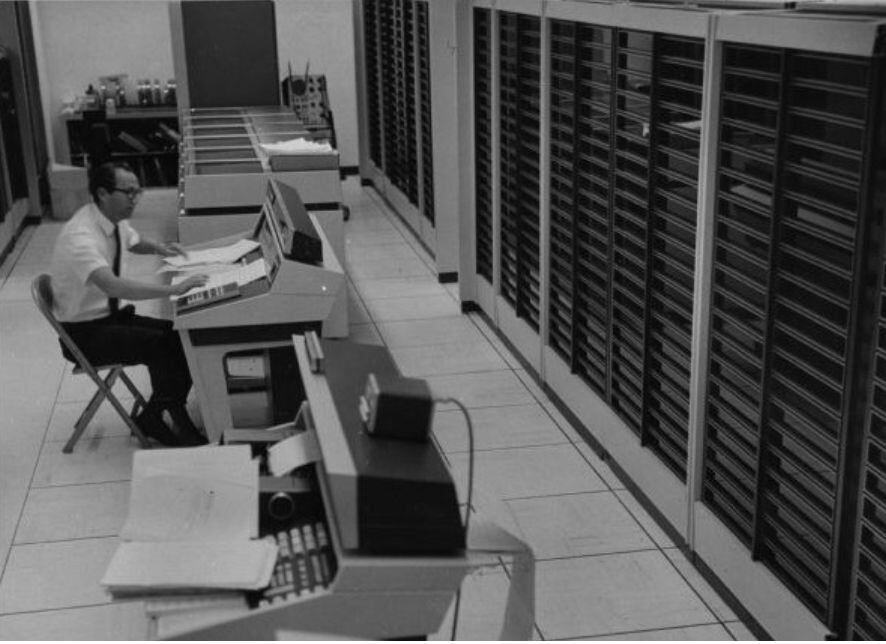
UMIST was one of the first institutions to integrate computer science as a formal area of study. Students were offered a comprehensive curriculum that combined theoretical and applied aspects of computing. They learned programming languages, data processing, and computer systems design—skills that were highly sought after in the digital age. Additionally, students could apply their knowledge practically as UMIST collaborated with several industrial enterprises in the city. This innovative approach to IT education and the integration of local business not only enhanced the practical relevance of UMIST’s programmes but also positioned it as a leader in IT education. At the time, IT in other parts of the UK was still in its infancy.
Merger with the University of Manchester and Continued IT Development
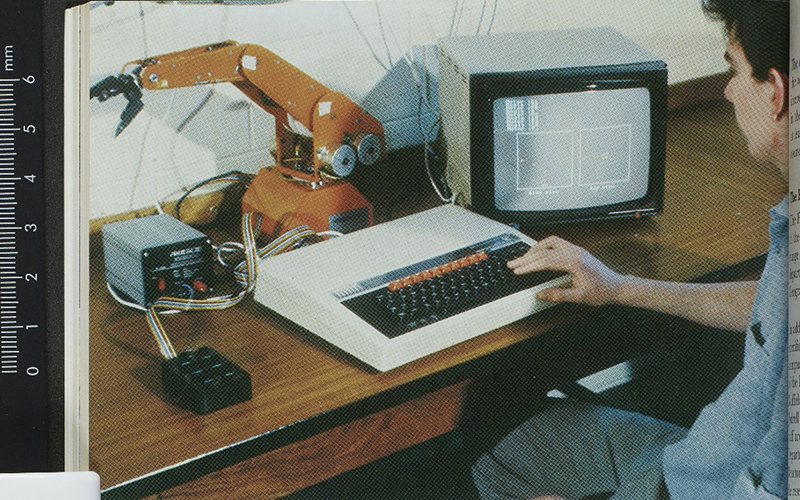
In 2004, UMIST merged with the Victoria University of Manchester, forming the modern University of Manchester. Although UMIST no longer exists as an independent organisation, its legacy lives on, and the newly merged university has continued to develop the IT field, building on UMIST’s foundational work. Today, the University of Manchester is a global leader in IT education and computer science, offering cutting-edge programmes in artificial intelligence, machine learning, cybersecurity, and software engineering. Students from around the world come here to gain advanced and innovative knowledge.
It is clear that UMIST played a vital role not only in developing IT education but also in shaping Manchester’s IT industry and the country’s technological landscape.